
Second Article of AI and The Publishing Industry
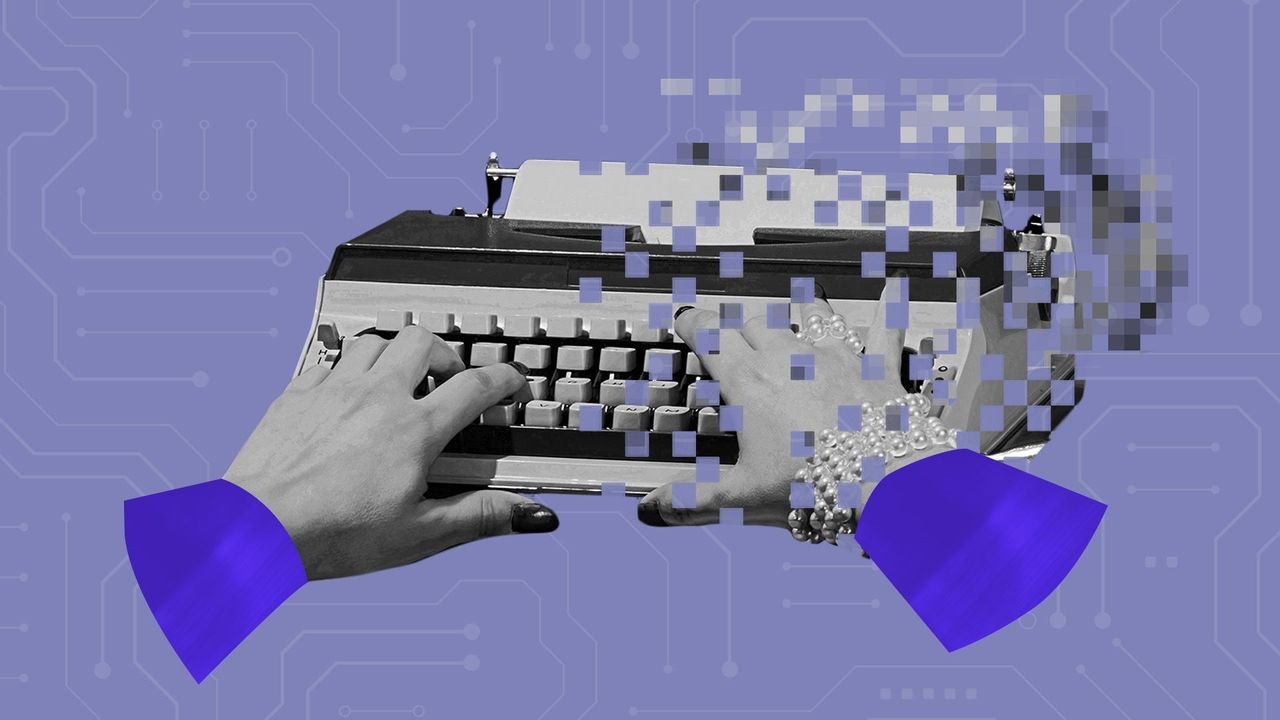
The spread of Artificial Intelligence in writing is crushing. It raises important concerns about job shift among writers. Each day AI systems become chicer. As now, they have the ability to power various aspects of the writing process. Theses facets go from making initial drafts to editing and polishing final manuscripts.
So, the advent of AI in content generation is snappy. AI systems like GPT-5 has the skill to crop high-quality prose. On top of that they enhance it. It increases queries about the future role of human writers. No doubt, authors are facing a robotized set.
1. Latent Robotics
AI has the capacity to power various stages of the writing process. It works from initial drafting to editing, formatting, and even publication. It poses an important threat to traditional writer roles. For instance, AI tools can make first drafts of articles or short stories. Those created texts can mimic human-written content. It displaces the need for initial brainstorming sessions and early drafts.
Moreover, AI-driven editing software analyze and suggest advances in grammar, syntax, and style. These robotics ideas not only streamline the editorial process. Also reduce the time and effort required to produce polished manuscripts. In publishing, speed often renders into economic gain. So, publishers may lean on these tools to keep a competitive edge.
For example, content mills and automated journalism platforms are already leveraging AI. They aim to update large volumes of news articles. This benefits speed and cost drops. But it also leads to fears about the quality of the content shaped. Also, the latent loss of jobs for journalists and writers could be huge.
In the literary realm, AI-created works has flooded the market. Short stories and novels are booming. Many authors have tested co-writing books using AI tools. But massive adoption of this approach could lead to significant job losses. It could go across various sectors of the writing community.
Besides, the prospect of robotics raises ethical queries. One is about whether human writers should cope with AI. The other is how to resist its mixing into their work methods. Those who choose to hug AI may find themselves in a viable scenery. In this setting novelty and creativity are thriving. While those who refuse to adapt risk becoming obsolete.
2. Ethical Dilemmas
Beyond the challenges of job shift, AI also raises important ethical impasses, about authorship, intellectual property, and authenticity. The use of AI content without clear credit poses major questions. Who should be credit as the creator and who owns the intellectual rights to such works.
When an AI system makes a novel or an article, it is not clear whose voice is? Also, who should be recognize for the intellectual contribution? This ambiguity tests old-style notions of authorship. It increases worries about the integrity of literary works twisted by chatbots.
Still, AI content could flout upon existing copyrights. It could use large portions of copyrighted material without permission. The issue is how to trace where specific phrases or ideas originated. AI makes it challenging to execute copyright laws.
3. Case Studies
Several notable cases highlight these tasks. For example, AI news articles produced by platforms have sparked debates. The talks go over the journalistic integrity of such content.
These cases illustrate the complexities that arise when human creativity intersects with AI. It prompts ongoing discussions about how to balance technical progresses. In first place, with the ethical standards in writing and publishing.
In fact, AI has the potential to enhance creative processes. It is democratizing access to literature. But it also poses significant challenges for writers. The tension between creativity and replicability, coupled with fears about job shift. Also, with ethical dilemmas. The subject stresses the need for a nuanced approach.
The global verdict
It is good to integrate AI into writing as a tool. As these technologies continue to evolve, authors must navigate these challenges. But they need to strive to preserve their unique voice and creative visions.
-Next Article: The AI Impact on Writing Professions