
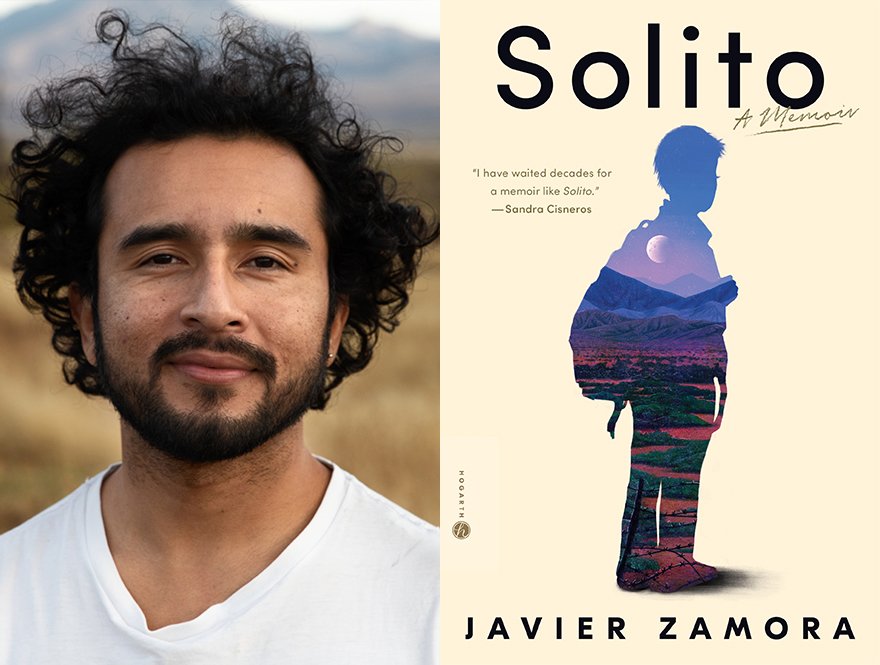
Writer Javier Zamora is creating a Literary Revolution in the United States
In the constellation of contemporary American literature, few stars burn with the intensity of Javier Zamora. I am talking about a writer who transformed the most harrowing nine weeks of his childhood into a masterwork that has redefined what Latinx literature can achieve to the world in the 21st century.
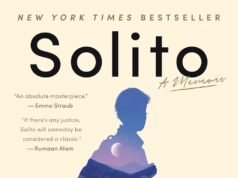
At nine years old, Zamora traversed 3,000 miles from El Salvador to reunite with his parents in California, a journey that would have broken many adults. Two decades later, he excavated those memories with surgical precision in Solito, creating not just a memoir but a reckoning—a book that forces America to see itself through the eyes of a child navigating its borderlands alone.
What sets Zamora apart isn’t merely his story, though it’s extraordinary. It’s his refusal to perform trauma for consumption. Where others might sensationalize, he whispers. Where others might politicize, he humanizes. His prose carries the weight of testimony while maintaining the lightness of a child’s wonder, even in darkness.
His debut poetry collection Unaccompanied had already announced him as a voice to watch—verses that could make English and Spanish dance together in ways that honored both languages without betraying either. But Solito catapulted him into a different stratosphere, becoming the mirror that reflects not just one boy’s odyssey, but the journeys of millions whose stories remain untold.
In rooms where Latinx literature was once whispered about in margins, Zamora’s name now commands the center. He stands alongside Sandra Cisneros, Julia Alvarez, and Junot Díaz, but he stands there on his own terms—unapologetically Salvadoran, fiercely tender, and committed to complexity over simplification.
The literary establishment has taken notice—prestigious fellowships, major awards, sold-out readings—but Zamora’s true revolution happens in smaller moments: in the teenager who sees their own border crossing validated in literature for the first time, in the graduate seminar where migration is no longer abstract theory but lived reality, in the book club where suburban readers finally understand that “illegal” was never a noun meant for human beings.
Zamora doesn’t just occupy space in American letters; he’s expanding what that space can hold. His work insists that the American literary canon must stretch to accommodate stories that begin in places like Herrán and La Técnica, that move through Mexican desert towns, that understand both the price and the promise of arrival.
This is Zamora’s gift to American literature: the understanding that our national story is incomplete without the voices of those who risk everything to become part of it. In his hands, the literature of migration becomes the literature of transformation—not just of individuals, but of an entire nation’s understanding of itself.
The boy who once navigated the Sonoran Desert with strangers has become the writer who navigates us toward a more complete American narrative. That journey continues, one reader at a time.